
Fair Work's 4.75% Wage Increase: What Hospitality Businesses Need to Know
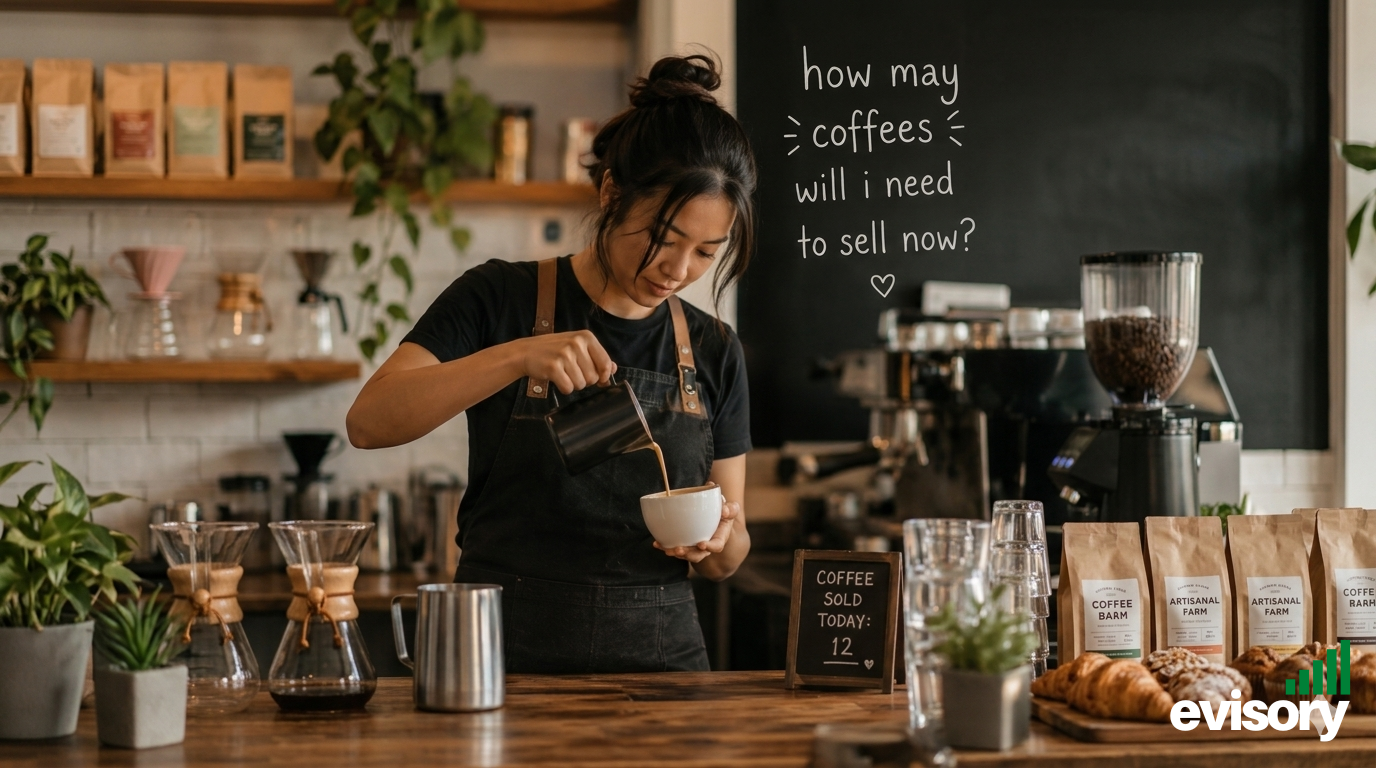
From 1 July 2026, the Fair Work Commission has announced a 4.75% increase to the National Minimum Wage and minimum award wages. While the decision is designed to help workers manage ongoing cost-of-living pressures, it creates immediate challenges for cafés, restaurants, bars, pubs, bistros, and other hospitality venues already navigating tight margins.
For hospitality business owners, the impact will be felt almost immediately — through higher payroll expenses, increased superannuation costs, and growing pressure on profitability. If you don't already have a hospitality bookkeeper or hospitality accountant reviewing your numbers regularly, now is the time to get that support in place.
Why Cafés, Restaurants, and Bars Are Most Affected
Hospitality remains one of Australia's most award-reliant industries. A significant proportion of employees at cafés, restaurants, bars, pubs, and bistros are paid under the Hospitality Industry (General) Award or the Restaurant Industry Award.
Unlike many sectors where wages are negotiated above award, hospitality businesses employ high proportions of casual, part-time, and junior staff whose pay rates are directly tied to Fair Work decisions. That means a 4.75% increase flows through to almost every line of your wage bill.
The increase affects:
Base hourly pay rates
Casual loading calculations
Weekend and public holiday penalties
Overtime rates
Leave entitlements
Superannuation contributions
For many hospitality venues, labour is the single largest operating cost. A 4.75% wage increase is not a small adjustment — it compounds across every shift, every roster, every week of the year.
Not sure how the new rates will affect your café, restaurant, bar or bistro? Our hospitality accountants can model the exact impact for your business.
Rising Costs Are Already Squeezing Hospitality Margins
The wage increase arrives at a time when venue owners are already managing a long list of cost pressures. For operators of cafés, restaurants, bars, and bistros across Australia, the cumulative effect is significant:
Food & Beverage Costs
Supplier price increases continue across proteins, dairy, and packaging.
Energy Bills
Electricity and gas remain elevated for commercial kitchens and refrigeration.
Rent & Occupancy
Commercial lease renewals are rising in most major metro and regional areas.
Staffing Challenges
Ongoing shortages mean higher recruitment costs and wage competition.
Insurance Premiums
Business and liability insurance costs have risen materially since 2023.
Technology Costs
POS systems, rostering software, and delivery platforms all add up.
POS systems, rostering software, and delivery platforms all add up.
Some venues may be able to absorb part of the wage increase through operational efficiencies. Others — particularly those without a dedicated hospitality bookkeeper or advisor reviewing their numbers — may not realise the margin impact until it's too late. Working with a bookkeeper for your hospitality business who understands the industry means you'll see the issue before it becomes a crisis.
What Hospitality Businesses Should Do Before 1 July 2026

With the new award rates taking effect from 1 July, here are the four most important actions for café, restaurant, bar, and bistro owners right now:
Review Your Labour Cost Percentage
Understand exactly what labour costs as a percentage of revenue — and what it will look like after the increase. A goodhospitality accountantcan model this for your specific business. Most venues should target under 35%, though this varies by concept and service model.
Update Your Payroll System Before 1 July
Ensure your payroll software and award pay rates are updated before the new financial year. Running incorrect rates even briefly creates underpayment risk and potential Fair Work liability for your café, restaurant, or venue.
Review Your Pricing Strategy
Assess whether your current menu pricing remains sustainable under the new wage structure. Many cafés, restaurants, bars, and bistros across Australia have already adjusted prices in the past 12 months — a further review may be necessary.
Update Your Cash Flow Forecast
Higher wages also mean higher superannuation, leave accruals, and related payroll expenses. A proper cash flow forecast — built by ahospitality bookkeeperor accountant who knows the industry — will show you exactly where the pressure falls week by week.
How Evisory Can Help Your Business
At Evisory, we are specialist hospitality accountants and bookkeepers working with cafés, restaurants, bars, pubs, bistros, and hospitality groups across Australia. We understand the specific pressures of the industry — award complexity, high staff turnover, tight margins, and the constant juggle of cash flow.
Rather than waiting until year-end, we help hospitality business owners monitor their numbers throughout the year so they can make informed decisions with confidence — especially when external cost pressures like Fair Work increases hit.
Our Hospitality Accounting & Bookkeeping Services
Hospitality bookkeeping and payroll support
Labour cost and profitability analysis
Cash flow forecasting and budgeting
Hospitality KPI reporting and benchmarking
Financial reporting and management dashboards
Tax planning and compliance support
Xero setup, optimisation, and ongoing support
Award interpretation and payroll compliance reviews
Ready to understand the real impact on your venue?
Book a free 30-minute call with an Evisory hospitality accountant — no obligation, just practical advice.
Preparing for a More Expensive Operating Environment
The Fair Work Commission's decision reflects the ongoing challenge of balancing wage growth with business sustainability. For hospitality venues across Australia — from independent cafés and neighbourhood bistros to busy bars and restaurant groups — staying on top of labour costs, profitability, and cash flow has never been more important.
The businesses that navigate this environment best are typically the ones with a clear picture of their numbers: a dedicated hospitality bookkeeper keeping records clean, a hospitality accountant reviewing performance, and a plan in place before costs move — not after.
If you're unsure how the new wage rates will affect your café, restaurant, bar, or venue, Evisory's hospitality accounting team can help you understand the financial impact and build a practical plan for the year ahead.
Book a Free Chat With a Hospitality Accountant
Evisory works with cafés, restaurants, bars, bistros, and hospitality groups across Australia. Get a clear picture of how the 4.75% wage increase affects your venue — and a practical plan to protect your margins.
Or visit evisory.com.au to learn more about our hospitality accounting services.
Evisory provides accounting, bookkeeping, and business advisory services for hospitality businesses across Australia. This article is general in nature and does not constitute financial or legal advice. Award rate information is indicative — always verify current rates via the Fair Work Commission. Please consult a qualified advisor for advice specific to your circumstances.